
Introduction
Healthy food plays an important role in maintaining energy, supporting normal body functions, and improving overall well-being. The foods people eat every day provide essential nutrients that help the body grow, repair tissues, support immunity, and maintain physical and mental performance. Choosing nutritious meals regularly can also help people develop better eating habits and maintain a balanced lifestyle.
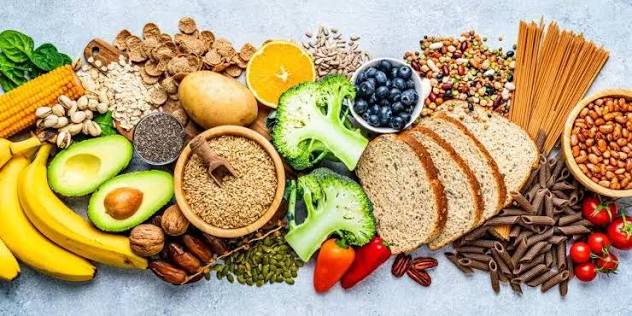
A healthy diet does not require expensive ingredients, complicated recipes, or strict restrictions. Simple foods such as fresh vegetables, seasonal fruits, whole grains, beans, nuts, seeds, and other nutrient-rich ingredients can contribute to a balanced eating pattern. The key is to enjoy a variety of foods in appropriate portions while limiting excessive amounts of added sugar, salt, and unhealthy fats.
Understanding healthy food choices makes everyday meal planning easier. Whether someone wants to improve energy levels, support digestive health, or establish better long-term habits, learning about balanced nutrition is a useful starting point.
What Is Healthy Food?
Healthy food refers to foods that provide important nutrients while supporting the body’s normal functions. These nutrients include carbohydrates, proteins, fats, vitamins, minerals, and water. Each has a specific role in maintaining health, which is why a varied diet is generally more beneficial than relying on only a few familiar foods.
Fresh fruits and vegetables provide vitamins, minerals, and dietary fiber. Whole grains supply carbohydrates and other nutrients that help provide energy. Protein-rich foods support muscle maintenance and tissue repair, while healthy fats help the body absorb certain vitamins and perform essential functions.
Healthy eating is not about making every meal perfect. It involves choosing nourishing foods consistently and creating a flexible eating pattern that suits individual needs, preferences, and cultural traditions. Traditional Indian meals can be nutritious when they include vegetables, pulses, grains, suitable protein sources, and reasonable amounts of cooking oil.
Why Healthy Food Is Important for Daily Life
Eating nutritious food helps the body obtain the energy and nutrients needed for daily activities. Balanced meals can support concentration, physical performance, normal growth, and recovery after exercise. Regularly eating a variety of foods also helps reduce the likelihood of nutritional gaps.
Healthy eating habits can contribute to long-term well-being. A diet rich in vegetables, fruits, whole grains, and legumes, combined with suitable protein sources, can support heart health and digestive function. Appropriate food choices may also help people maintain a healthy weight without relying on extreme dieting methods.
Food choices can influence how people feel throughout the day. Meals containing fiber, protein, and carbohydrates may provide satisfying nourishment and help people manage hunger. However, individual responses differ depending on portion sizes, activity levels, sleep, health conditions, and other lifestyle factors.
Essential Nutrients Found in Healthy Food
The body needs several nutrients to function properly. Carbohydrates are an important energy source and can come from whole grains, fruits, vegetables, and legumes. Choosing fiber-rich carbohydrate sources adds nutritional value and supports digestive health.
Protein is necessary for building and repairing tissues. Lentils, chickpeas, beans, milk, yogurt, eggs, fish, poultry, tofu, and other soy products provide useful protein options. People can choose sources according to their dietary preferences, availability, and nutritional requirements.
Dietary fats are also essential. Nuts, seeds, avocados, and suitable vegetable oils provide unsaturated fats. Vitamins and minerals support numerous processes, including bone maintenance, oxygen transport, and normal immune function. Fruits, vegetables, dairy products, legumes, and other varied foods contribute different micronutrients.
Water is equally important because it supports temperature regulation, digestion, and other body functions. Drinking water regularly and adjusting intake to activity, climate, and individual needs helps maintain hydration.
Benefits of Eating Healthy Food Regularly
A nutritious diet supports several aspects of health. One important benefit is maintaining consistent nourishment for daily physical and mental activities. Eating a suitable combination of food groups helps provide energy while supplying the nutrients needed for normal bodily functions.
Another benefit is supporting digestive health. Foods containing dietary fiber, including vegetables, fruits, oats, beans, and whole grains, help maintain regular bowel movements. Increasing fiber gradually and drinking enough water can make dietary changes more comfortable.
Healthy eating can also support cardiovascular health when it emphasizes vegetables, fruits, whole grains, legumes, nuts, and unsaturated fats while limiting excessive sodium and saturated fat. Such eating patterns can contribute to managing certain risk factors associated with heart disease.
A balanced diet also supports bone health by providing nutrients such as calcium, vitamin D, and protein. Suitable sources include dairy products, fortified alternatives, selected fish, and other foods depending on individual dietary needs. No single food guarantees good health, but consistent, varied choices can make a meaningful contribution.
Healthy Food Choices for Everyday Meals
Choosing healthy food becomes easier when everyday meals include a variety of ingredients. Breakfast might contain vegetable poha, oats, whole-grain toast, or idli with sambar. Adding yogurt, milk, nuts, or another suitable protein source can make breakfast more satisfying.
Lunch can include roti or brown rice, dal, cooked vegetables, and curd. This combination offers carbohydrates, protein, fiber, and several essential nutrients. People can adjust portions according to their appetite, activity level, and personal nutritional requirements.
Dinner can follow a similar balanced approach. Vegetable khichdi, dal with roti, tofu with vegetables, or fish with whole grains are practical options. Preparing meals at home makes it easier to control ingredients, cooking methods, salt, and added fats.
Snacks can also contribute useful nutrients. Seasonal fruit, roasted chickpeas, unsalted nuts, plain yogurt, or homemade vegetable snacks can be convenient choices. The best options are those that are accessible, enjoyable, and compatible with a person’s overall diet.
Healthy Food Options for Vegetarians
Vegetarian diets can provide balanced nutrition when they include enough variety and appropriate sources of protein, iron, calcium, and other nutrients. Lentils, chickpeas, kidney beans, peas, tofu, soybeans, nuts, and seeds are useful plant-based choices.
Combining different protein-rich plant foods throughout the day helps provide a range of amino acids. Meals containing dal, beans, whole grains, vegetables, and dairy products, when included, can create satisfying and nutritious combinations.
Iron deserves particular attention in vegetarian diets. Beans, lentils, leafy vegetables, and fortified foods can contribute iron. Eating vitamin C-rich foods, such as oranges, guava, tomatoes, or lemon, alongside plant sources can improve the absorption of non-heme iron.
People following fully vegan diets should pay particular attention to vitamin B12 because reliable natural plant sources are limited. Fortified foods or supplements may be necessary. Individual requirements vary, so professional guidance can help address specific nutritional concerns.
Healthy Food and Weight Management
Healthy food can support weight management by providing satisfying meals with a useful balance of nutrients. Vegetables, fruits, legumes, and whole grains often contain fiber, which contributes to fullness. Including protein sources can also help make meals more satisfying.
Weight management does not require skipping meals or eliminating entire food groups without a medical reason. Such approaches can be difficult to maintain and may leave people short of essential nutrients. A more sustainable strategy involves appropriate portions, regular meals, enjoyable physical activity, and adequate sleep.
Cooking methods can make a difference as well. Steaming, boiling, grilling, baking, and preparing dishes with moderate amounts of oil can help limit excess added fat. Fried foods can still fit occasionally into a flexible eating pattern, but they need not be the main feature of everyday meals.
Individual nutritional needs differ. Anyone with a medical condition, a history of disordered eating, or specific weight-related concerns may benefit from advice from a qualified healthcare professional or registered dietitian.
How to Build Healthy Eating Habits
Building healthier eating habits begins with small, manageable changes. Adding one serving of vegetables to lunch, keeping fruit available for snacks, or replacing some refined grains with whole grains can gradually improve dietary variety.
Planning meals ahead can make nutritious choices more convenient. Preparing dal, chopping vegetables, cooking grains, or storing washed fruit can reduce the effort required when mealtimes arrive. Choosing seasonal produce and locally available ingredients can also help make healthy eating more affordable.
Reading food labels provides another useful skill. Comparing products for added sugars, sodium, saturated fat, fiber, and serving sizes can help people make informed decisions. Packaged foods differ considerably, so evaluating the overall nutritional information is more helpful than judging products by marketing claims alone.
Consistency matters more than perfection. Enjoying favorite foods in moderation can make a balanced eating pattern easier to maintain. Rather than changing everything at once, focus on habits that are realistic enough to continue over time.
Frequently Asked Questions About Healthy Food
What Is the Best Healthy Food to Eat Every Day?
There is no single best food that supplies everything the body needs. A varied diet containing vegetables, fruits, whole grains, legumes, suitable protein sources, healthy fats, and enough water provides a broader range of nutrients than relying on one ingredient.
Can Healthy Food Improve Energy Levels?
Balanced meals provide energy and essential nutrients needed for everyday activities. Including carbohydrates, protein, and fiber-rich foods can help create satisfying meals. However, persistent tiredness may have several causes and should not automatically be attributed to diet alone.
Is Healthy Food Expensive?
Healthy eating can be affordable when meals rely on seasonal vegetables, local fruits, lentils, beans, whole grains, and homemade preparations. Planning meals, purchasing ingredients in suitable quantities, and reducing food waste can also help manage grocery expenses.
Which Healthy Foods Are Good for Breakfast?
Oats, vegetable poha, idli with sambar, whole-grain toast, fruit, yogurt, and eggs are possible breakfast choices. Selecting a combination of carbohydrates, protein, and fiber can help make breakfast more nourishing and satisfying.
Can I Eat Rice While Following a Healthy Diet?
Yes, rice can be part of a balanced diet. White rice and brown rice both provide carbohydrates, although brown rice generally contains more fiber. Pairing rice with dal, vegetables, and a suitable protein source helps create a more balanced meal.
How Can I Start Eating Healthy Food Every Day?
Start with small changes, such as eating more vegetables, choosing fruit for some snacks, drinking water regularly, and including protein-rich foods in meals. Gradually improving food variety and planning meals ahead can make healthier habits easier to maintain.
Conclusion
Healthy food is an essential part of a balanced lifestyle because it supplies the nutrients needed for energy, growth, tissue repair, and normal body functions. A varied diet that includes vegetables, fruits, whole grains, legumes, suitable protein sources, healthy fats, and sufficient water can support overall well-being and long-term health.
Eating well does not require complicated recipes, expensive products, or strict restrictions. Simple meals prepared with accessible ingredients can provide valuable nutrition while respecting personal preferences and cultural traditions. Planning meals, understanding food labels, and making gradual improvements can help people develop lasting habits.
The most effective approach is to focus on consistency, variety, and balance rather than expecting perfection. By making thoughtful food choices every day, individuals can build a sustainable eating pattern that supports their nutritional needs and contributes to a healthier lifestyle.