
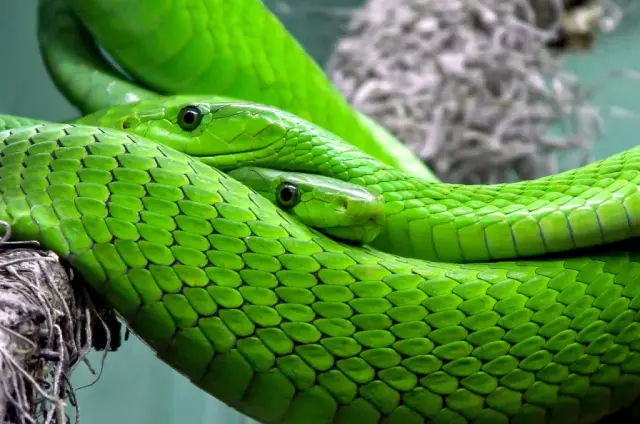
You wake up in the middle of the night with one vivid image stuck in your head. A snake is crawling across a path, hiding in the grass, or perhaps staring directly at you. Even after the dream fades, the feeling doesn’t. That’s exactly why people across different cultures have searched for the dream meaning of snakes for centuries. Some believe these dreams are warnings, while others see them as signs of personal growth, emotional healing, or major life changes waiting just around the corner.
The truth is that dreams rarely have one universal interpretation. Your emotions, current life situation, and even the snake’s behavior can completely change the message your subconscious is trying to communicate. Instead of treating every snake dream as either good luck or bad luck, it’s much more helpful to understand the context behind it. Once you do, you’ll begin to see that even the strangest dreams often reflect thoughts, fears, opportunities, or transformations happening in your waking life.
Why Dreams Matter More Than Many People Realize

Dreams have fascinated people since ancient civilizations. Modern psychology suggests that dreams may help process emotions, organize memories, and solve unresolved problems. While science doesn’t confirm that dreams predict the future, they often reveal what’s happening beneath the surface of our conscious minds.
The dream meaning of any symbol depends on several factors:
- Your emotional state during the dream
- The environment where the dream occurred
- Your relationship with the symbol
- Recent experiences in your life
- Cultural or spiritual beliefs you hold
A snake appearing in one person’s dream can symbolize healing, while for someone else it may represent fear, betrayal, or personal change.
Snake Symbolism Across Different Cultures
Snakes have carried powerful meanings throughout history. Understanding these traditions can help explain why snake dreams feel so significant.
| Culture or Tradition | Common Snake Symbolism |
|---|---|
| Ancient Egypt | Protection and divine power |
| Hindu Traditions | Spiritual awakening and energy |
| Greek Culture | Healing and medicine |
| Chinese Beliefs | Wisdom, intelligence, and fortune |
| Native Traditions | Transformation and renewal |
| Modern Psychology | Hidden emotions and personal growth |
Although interpretations differ, one idea appears repeatedly: snakes represent change. Just as a snake sheds its skin, people often dream about snakes during periods of emotional or personal transformation.
The Most Common Snake Dreams and Their Interpretations
Every detail changes the overall dream meaning, so paying attention to the dream’s story is important.
Seeing a Calm Snake
A peaceful snake often represents wisdom or hidden knowledge. It may suggest that you’re becoming more aware of something you’ve ignored for a long time.
This dream can also indicate emotional maturity. Instead of reacting with fear, your subconscious may be encouraging patience before making an important decision.
Being Chased by a Snake
Running away from a snake usually reflects something you’re avoiding in real life.
Examples include:
- An uncomfortable conversation
- Financial stress
- Relationship problems
- Career uncertainty
- Emotional wounds
Rather than predicting danger, the dream often encourages facing the issue instead of escaping it.
Snake Biting You
A snake bite usually feels frightening, but it isn’t always negative.
Sometimes a bite symbolizes:
- A painful truth
- A wake-up call
- Unexpected change
- Emotional healing beginning
- Realizing something important
In many interpretations, the bite represents awareness rather than punishment.
What Different Snake Colors Could Mean
Color adds another layer to the dream meaning and can dramatically change the interpretation.
Black Snake
Often connected with mystery, hidden fears, or unresolved emotions. It may encourage self-reflection instead of fear.
White Snake
Frequently symbolizes purity, healing, wisdom, or spiritual insight. It can appear during periods of emotional recovery.
Green Snake
Associated with growth, health, new beginnings, and personal development. It may suggest positive opportunities ahead.
Yellow Snake
Can represent caution, creativity, confidence, or jealousy depending on the emotions experienced during the dream.
Red Snake
Usually linked with passion, strong emotions, love, anger, or powerful life energy.
Rather than focusing only on color, remember how you felt while dreaming. Your emotional response often provides the strongest clue.
Psychological Perspective on Snake Dreams

Many psychologists believe dreams reflect internal experiences rather than outside events.
From this perspective, a snake might symbolize:
- Hidden anxiety
- Personal fears
- Emotional conflict
- Inner strength
- Personal transformation
- Unrecognized opportunities
Carl Jung often connected snake symbolism with transformation and unconscious wisdom. Meanwhile, other psychological theories suggest that recurring snake dreams may indicate unresolved emotional issues that deserve attention.
This approach doesn’t claim supernatural meaning. Instead, it encourages understanding yourself better through recurring dream patterns.
When Snake Dreams Reflect Real-Life Stress
Not every snake dream carries deep symbolic meaning. Sometimes your brain simply processes everyday experiences in creative ways.
You may dream about snakes if you’re experiencing:
- Heavy workload
- Family conflict
- Major life transitions
- Health concerns
- Financial pressure
- Fear of making mistakes
Stress changes sleep patterns, making vivid dreams more common. In these situations, the dream meaning often relates more to emotional pressure than mystical symbolism.
Questions to Ask Yourself After Having a Snake Dream
Instead of searching for one fixed interpretation, try reflecting on the dream personally.
Ask yourself:
- Was I afraid or calm?
- What was the snake doing?
- Did someone else appear in the dream?
- What major changes are happening in my life?
- Is there something I’ve been avoiding?
- How did the dream end?
Writing these answers in a dream journal can reveal patterns over time.
Practical Ways to Understand Your Dreams Better
Dream interpretation becomes more useful when combined with self-awareness.
Here are a few habits that help:
- Keep a notebook beside your bed.
- Record dreams immediately after waking.
- Notice recurring symbols.
- Pay attention to emotions rather than just events.
- Compare dreams with current life situations.
- Avoid assuming every dream predicts the future.
People who consistently track their dreams often recognize emotional patterns they previously overlooked.
Common Myths About Snake Dreams

Many misconceptions surround snake dreams. Separating myth from reality leads to a healthier understanding.
Myth 1: Every Snake Dream Predicts Bad Luck
This is one of the biggest misunderstandings. Many interpretations associate snakes with healing, wisdom, and positive transformation.
Myth 2: One Meaning Fits Everyone
Personal experiences always influence the dream meaning. Two people can have identical dreams with completely different interpretations.
Myth 3: Dreams Always Predict the Future
There is no scientific evidence proving that dreams consistently predict future events. More often, they reflect current emotions, memories, and subconscious thoughts.
Spiritual Interpretations of Snake Dreams
Many spiritual traditions view snakes as symbols of awakening rather than danger.
Some common interpretations include:
- Personal transformation
- Increased awareness
- Spiritual growth
- Letting go of old habits
- Healing emotional wounds
- Entering a new phase of life
Whether you believe these interpretations depends on your personal beliefs, but many people find them meaningful during periods of significant change.
How Your Personal Experiences Shape Dream Meaning
No dream dictionary can completely explain your dreams because your own experiences matter most.
For example:
If someone keeps snakes as pets, dreaming about one may symbolize comfort or familiarity.
Someone who fears snakes may interpret the exact same dream as anxiety or vulnerability.
Likewise, cultural background, religious beliefs, childhood memories, and recent experiences all influence how the subconscious creates dream imagery. That’s why experienced dream analysts encourage people to examine both universal symbolism and personal context before deciding on any interpretation.
Ultimately, the most accurate dream meaning is often the one that genuinely connects with your current emotional reality.
Conclusion
Snake dreams are among the most memorable and emotionally powerful dreams people experience. While they can feel mysterious or even frightening, they often carry messages about growth, awareness, healing, hidden emotions, or important life changes rather than simple predictions of good or bad luck. Understanding the details of the dream, your emotional response, and your current life circumstances provides far more insight than relying on a single universal explanation.
The next time you wake from a snake dream, pause before dismissing it. Reflect on what is happening in your life, write down the details, and consider how the symbols connect to your experiences. The true dream meaning often becomes clearer over time, helping you better understand not only your dreams but also yourself.