

Have you ever woken up after a vivid dream and wondered why it felt so real? Maybe you dreamed about flying over a city, being chased by someone you couldn’t recognize, losing your teeth, or meeting a loved one who passed away years ago. Dreams can stay with us for minutes, hours, or even days. Some seem completely random, while others feel like they carry a message that deserves attention.
The search for dream meaning has fascinated people for thousands of years. Ancient civilizations believed dreams were messages from the divine, while modern psychology views them as reflections of our emotions, memories, and subconscious thoughts. Although no single explanation fits every dream, understanding common patterns can help you learn more about yourself. This guide explores how dreams work, what popular dream symbols may represent, and how you can interpret your own dreams with greater confidence.
What Is Dream Meaning and Why Do People Search for It?
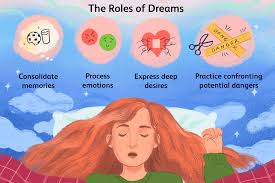
The term dream meaning refers to the possible interpretation or symbolic significance of what you experience while sleeping. Dreams often combine memories, emotions, fears, hopes, and imagination into stories that may appear strange yet surprisingly meaningful.
People search for dream interpretations for many reasons:
- To understand recurring dreams
- To explore emotional struggles
- To satisfy curiosity
- To gain personal insight
- To recognize hidden stress or anxiety
Rather than predicting the future, many experts believe dreams help the brain organize information and process emotions. A stressful week at work, an exciting life event, or unresolved feelings may all influence the dreams you experience.
Instead of asking, “What does this dream predict?” it is often more useful to ask, “What might this dream reveal about my thoughts or emotions?”
Common Types of Dreams
Not every dream serves the same purpose. Understanding different dream categories makes interpreting them much easier.
| Dream Type | Possible Meaning |
|---|---|
| Recurring Dreams | Unresolved emotions or ongoing life challenges |
| Lucid Dreams | Awareness that you’re dreaming with some control |
| Nightmares | Fear, stress, anxiety, or emotional conflict |
| False Awakening | Feeling like you’ve already woken up |
| Prophetic-Like Dreams | Often coincidences interpreted after events occur |
| Emotional Dreams | Processing relationships and personal experiences |
Each dream type provides different clues, making personal context just as important as the dream itself.
Why Do We Dream?
Scientists continue studying dreams because the brain remains incredibly active during sleep. While there isn’t one universally accepted explanation, several theories have gained support.
Dreams may help:
- Process emotional experiences
- Strengthen memories
- Solve problems creatively
- Reduce emotional stress
- Organize information collected during the day
Imagine spending an entire day preparing for an important interview. That night, you may dream about arriving late or forgetting your answers. The dream isn’t necessarily predicting failure. Instead, your brain could simply be processing your anxiety and helping you prepare emotionally.
This explains why understanding dream meaning often starts with examining what happened in your waking life before searching for symbolic interpretations.
Popular Dream Symbols and Their Possible Meanings
Many dream symbols appear across different cultures. While interpretations vary, certain themes appear repeatedly.
Flying
Flying often represents freedom, ambition, confidence, or escaping limitations. Comfortable flying may indicate personal growth, while struggling to stay in the air could reflect uncertainty.
Being Chased
One of the most common dreams involves being chased. This frequently symbolizes avoiding responsibilities, fears, or emotional issues rather than facing them directly.
Falling
Falling dreams may reflect insecurity, loss of control, or fear of failure. They commonly occur during periods of major life changes.
Water
Water often represents emotions.
- Calm water may symbolize peace.
- Rough waves can represent emotional challenges.
- Deep water sometimes reflects the subconscious mind.
Teeth Falling Out
This dream has countless interpretations. Many associate it with:
- Anxiety
- Fear of embarrassment
- Personal transformation
- Concerns about appearance or confidence
Understanding the surrounding details helps determine the most relevant dream meaning for your situation.
How Personal Experiences Shape Dream Interpretation
Two people can experience the exact same dream yet interpret it very differently.
Suppose two individuals dream about dogs.
For someone who loves pets, a friendly dog may symbolize loyalty and comfort. For someone who experienced a dog attack during childhood, the same dream could represent fear or unresolved trauma.
That’s why personal experiences matter more than generic dream dictionaries.
When analyzing a dream, consider:
- Current life events
- Emotional state
- Personal relationships
- Childhood memories
- Recent conversations
- Long-term goals
The most accurate interpretation usually combines common symbolism with your own life circumstances.
Can Dreams Reflect Mental and Emotional Health?
Dreams often mirror our emotional well-being. They don’t diagnose medical conditions, but they may highlight feelings we haven’t fully acknowledged.
Common emotional connections include:
- Increased nightmares during stressful periods
- Positive dreams after achieving personal goals
- Confusing dreams during major life transitions
- Emotional dreams after losing someone close
If recurring nightmares interfere with sleep or daily life, speaking with a healthcare professional may be helpful. Healthy sleep habits and stress management often improve dream quality as well.
Paying attention to dream meaning can sometimes reveal emotional patterns before you consciously recognize them.
How to Remember Your Dreams More Clearly

Many people forget dreams within minutes of waking up. Fortunately, dream recall can improve with practice.
Try these techniques:
- Keep a notebook beside your bed.
- Write immediately after waking.
- Record emotions before details fade.
- Avoid checking your phone first.
- Maintain a regular sleep schedule.
- Focus quietly for a minute before getting out of bed.
Even recording a few words each morning can help your brain remember dreams more consistently over time.
Keeping a Dream Journal
A dream journal is one of the most effective tools for discovering recurring themes.
Include:
- Date
- Main characters
- Location
- Emotions
- Symbols
- Colors
- Memorable conversations
- Events from the previous day
After several weeks, patterns often begin to appear.
For example, you might notice that dreams about missing trains happen before important deadlines or that peaceful nature dreams appear after relaxing weekends.
These observations make interpreting dream meaning much more personal and accurate.
Dream Interpretation Across Different Cultures
Throughout history, dreams have held different meanings around the world.
Some cultures believed dreams connected humans with spiritual guidance. Others viewed dreams as warnings, messages from ancestors, or opportunities for self-discovery.
Today, dream interpretation combines psychology, neuroscience, cultural traditions, and personal reflection.
Modern approaches generally encourage people to:
- Explore emotional themes
- Avoid taking every symbol literally
- Consider recent life experiences
- Look for recurring patterns instead of isolated dreams
This balanced approach often provides deeper insight than relying on one universal interpretation.
Common Mistakes People Make When Interpreting Dreams
Many people jump to dramatic conclusions after having unusual dreams.
Avoid these common mistakes:
- Assuming every dream predicts the future
- Ignoring personal experiences
- Focusing on only one symbol
- Forgetting emotions within the dream
- Taking online dream dictionaries literally
- Believing every nightmare has supernatural meaning
Dreams are complex stories created by the brain. Their meanings often emerge from the overall experience rather than one single image.
Practical Tips for Understanding Your Own Dreams

If you genuinely want to improve dream interpretation, consistency matters more than memorizing dream symbols.
Helpful habits include:
- Reflect on your emotions each morning.
- Compare dreams with recent life events.
- Notice repeated people or places.
- Record dreams regularly.
- Stay open to multiple interpretations.
- Look for emotional lessons instead of predictions.
Over time, your understanding becomes more accurate because you’re learning your own symbolic language rather than depending entirely on generalized meanings.
The Connection Between Sleep Quality and Dreams
The quality of your sleep can influence how often you remember dreams and how vivid they feel.
Healthy sleep habits include:
- Sleeping 7 to 9 hours consistently
- Limiting caffeine late in the day
- Reducing screen time before bed
- Creating a comfortable sleeping environment
- Managing daily stress
People who experience uninterrupted sleep often remember dreams more clearly because they wake naturally during or shortly after REM sleep, the stage most closely associated with vivid dreaming.
Improving sleep doesn’t just benefit physical health. It can also make exploring dream meaning more rewarding because dream recall becomes stronger.
Conclusion
Dreams remain one of the most fascinating parts of human experience. They combine memories, emotions, imagination, and subconscious thoughts into stories that can be mysterious, emotional, or surprisingly meaningful. While no dream dictionary can perfectly explain every symbol, understanding your personal experiences, emotions, and recurring patterns provides the most valuable insight.
The real value of exploring dream meaning isn’t about predicting tomorrow. It’s about understanding yourself today. By keeping a dream journal, reflecting on emotions, and recognizing recurring themes, you can gradually uncover patterns that help explain your thoughts, fears, hopes, and personal growth. Every dream tells a story, and the better you understand that story, the more you may discover about your own mind.