
Introduction
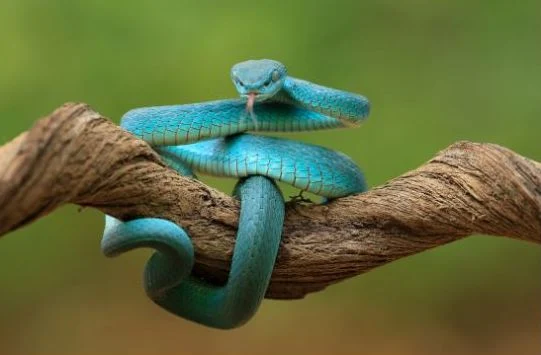
Dreams have fascinated people for centuries. Some disappear from memory within minutes, while others stay with us for years because they feel surprisingly real. Among all dream symbols, snakes often create the strongest emotional response. Some people wake up frightened after seeing one, while others feel strangely peaceful or curious. But what does such a dream actually mean?
In Hindu astrology, dreams are not always considered random events. Ancient scriptures and traditional beliefs suggest that certain dreams can reflect your inner emotions, spiritual progress, hidden fears, or even possible future events. The interpretation depends on many factors, including the snake’s color, behavior, location, and your own actions during the dream. Understanding the c behind a snake can help you reflect on your life from a completely different perspective. Rather than fearing every snake dream, learning its symbolism allows you to separate meaningful messages from ordinary subconscious thoughts.
Understanding the Role of Dreams in Hindu Astrology

Hindu astrology views dreams as more than simple mental images. Traditional beliefs suggest that dreams may arise from past experiences, present emotions, spiritual energies, or subconscious desires. Some dreams are believed to carry symbolic messages that encourage personal growth and self-awareness.
The interpretation of a dream depends on several important factors.
| Dream Element | Possible Interpretation |
|---|---|
| Snake Color | Different emotions or spiritual energies |
| Snake Behavior | Warning, protection, or transformation |
| Your Reaction | Fear, confidence, or acceptance |
| Location | Personal life, career, family, or spirituality |
| Time of Dream | Some traditions believe early morning dreams may hold greater significance |
Instead of focusing on a single symbol, experienced astrologers usually consider the complete situation before explaining the dream meaning.
Why Snakes Hold Special Importance in Hindu Tradition
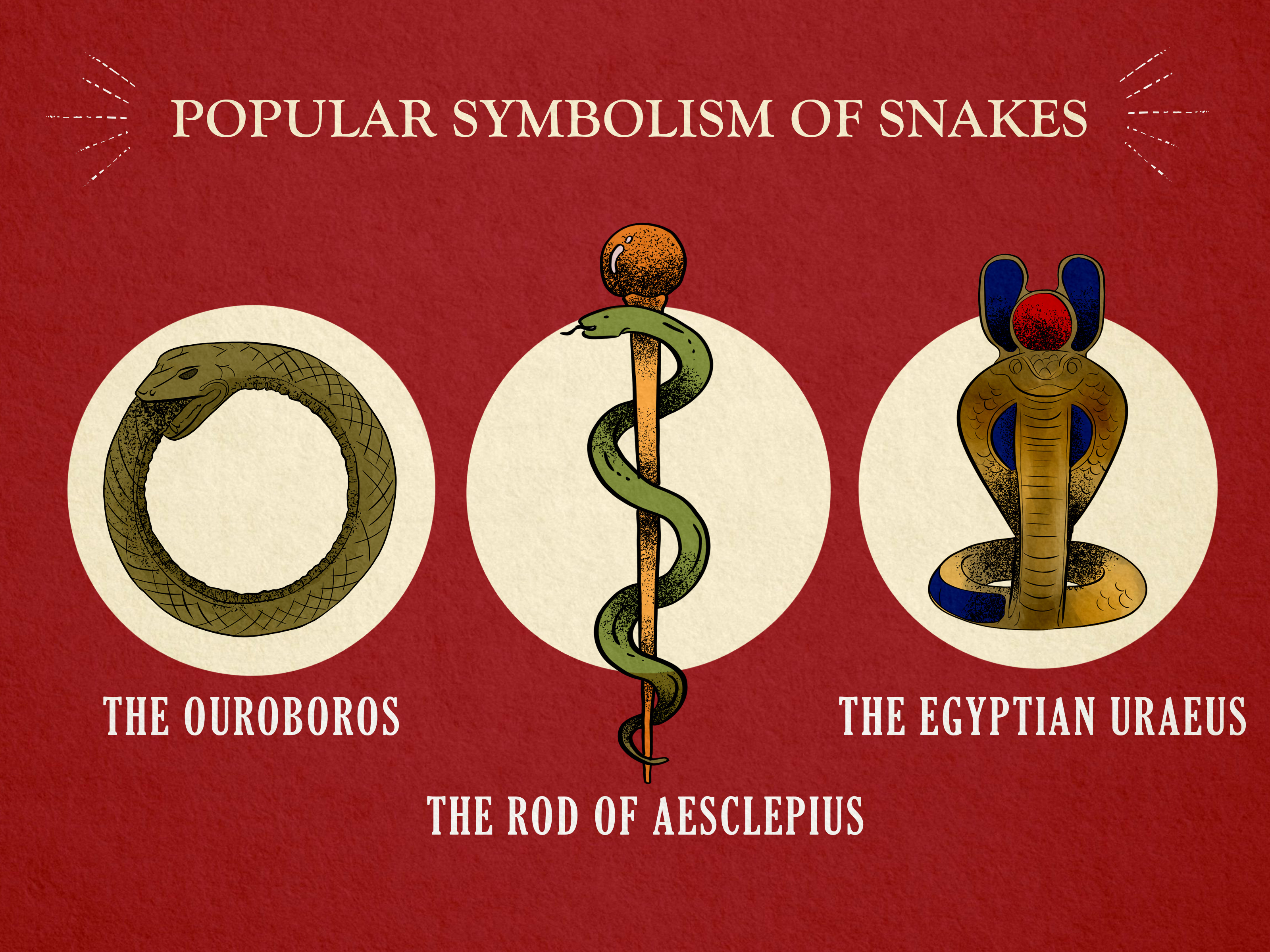
Snakes occupy a respected place in Hindu culture. They are connected with several deities and symbolize power, wisdom, protection, and transformation. Lord Shiva is often shown wearing a snake around his neck, representing control over fear and ego. Lord Vishnu rests upon the divine serpent Sheshnag, symbolizing cosmic balance and eternal protection.
Because of these associations, seeing a snake in a dream is not automatically considered negative. In many situations, it represents change rather than danger. Just as a snake sheds its old skin, the dream may suggest that you are entering a new stage of life. The dream meaning often reflects personal transformation, emotional healing, or spiritual awakening instead of literal events.
This symbolic interpretation explains why many people view snake dreams with curiosity rather than fear.
Different Snake Dreams and Their Interpretations
Not every snake dream carries the same message. Small details completely change the interpretation.
Seeing a Calm Snake
A peaceful snake often symbolizes wisdom, patience, and hidden strength. It may suggest that positive opportunities are approaching, but they require careful observation rather than quick action.
Snake Chasing You
Being chased usually reflects unresolved stress, fear, or responsibilities you are avoiding. Instead of predicting danger, this dream encourages you to face challenges directly.
Snake Biting You
A snake bite may represent an emotional wake-up call. It can indicate betrayal, personal growth through hardship, or the need to pay attention to ignored situations.
Dead Snake
A dead snake generally symbolizes victory over obstacles. It may indicate that a difficult phase is ending and new beginnings are possible.
Many Snakes Together
Multiple snakes can represent overwhelming emotions, complicated relationships, or numerous responsibilities. They may also symbolize powerful spiritual energy depending on the dream’s atmosphere.
Every situation changes the overall dream meaning, making context far more important than the snake itself.
Snake Colors and Their Symbolic Meanings
Colors add another layer to dream interpretation. Although meanings vary among traditions, certain symbolic associations are commonly discussed.
Black Snake
Often connected with mystery, hidden fears, or major life changes. It may encourage self-reflection instead of panic.
White Snake
Frequently associated with purity, spiritual wisdom, and positive transformation. Some people interpret it as a sign of inner peace.
Green Snake
Represents healing, personal growth, financial improvement, or emotional balance.
Golden Snake
Traditionally linked with prosperity, divine blessings, and spiritual advancement.
Red Snake
Can symbolize intense emotions, passion, anger, or powerful energy that requires careful management.
These symbolic colors help provide a more accurate dream meaning when combined with other dream details.
Can Snake Dreams Predict the Future?
One of the biggest misconceptions is that every snake dream predicts future events. Hindu astrology generally encourages symbolic interpretation rather than literal prediction.
A dream might encourage you to:
- Improve important relationships.
- Be cautious before making financial decisions.
- Focus on personal development.
- Practice emotional balance.
- Become more spiritually aware.
Rather than guaranteeing specific outcomes, dreams often serve as reminders that encourage thoughtful decision-making. Looking only for future predictions may cause people to overlook valuable personal insights already available within the dream itself.
Psychological Perspective Alongside Hindu Beliefs
Modern psychology offers another interesting viewpoint. Psychologists often believe dreams reflect subconscious thoughts, emotions, memories, and experiences collected throughout daily life.
For example:
- Fear of snakes may represent anxiety.
- Escaping from a snake may symbolize avoiding responsibility.
- Friendly snakes may reflect growing confidence.
- Repeated snake dreams could indicate unresolved emotional stress.
Interestingly, psychological explanations and traditional Hindu symbolism sometimes complement each other. Both encourage self-awareness and personal reflection rather than blind fear. Looking at both perspectives together creates a deeper understanding of the overall dream meaning.
Common Situations That Influence Dream Interpretation
Many personal factors affect how dreams should be understood.
Some important considerations include:
- Your emotional state before sleeping.
- Major life events currently happening.
- Health and stress levels.
- Religious or spiritual beliefs.
- Personal experiences with snakes.
- Recurring dream patterns.
Two people may experience the same snake dream but receive completely different interpretations because their lives, emotions, and circumstances are different. This is why experienced interpreters avoid making universal conclusions from a single dream.
What Should You Do After Seeing a Snake in a Dream?
Instead of becoming worried, consider using the experience as an opportunity for self-reflection.
Helpful actions include:
- Write down every detail immediately after waking.
- Notice recurring symbols and patterns.
- Reflect on recent emotional experiences.
- Practice meditation or mindfulness.
- Avoid making impulsive decisions based solely on one dream.
- Seek spiritual guidance if the dream feels deeply significant.
Keeping a dream journal often reveals connections between recurring dreams and real-life situations. Over time, these observations become much more meaningful than isolated interpretations.
Popular Myths About Snake Dreams
Many beliefs about snake dreams have spread through word of mouth without reliable traditional support.
Some common myths include:
- Every snake dream predicts bad luck.
- Snake bites always indicate betrayal.
- A black snake always brings negative events.
- Every dream comes true exactly as seen.
- Snake dreams always require special rituals.
In reality, interpretation depends on complete context, emotional experience, cultural background, and personal circumstances. Oversimplifying dreams often leads to unnecessary fear and misunderstanding.
How Spiritual Growth Changes Dream Experiences

People who regularly prachttps://i.ibb.co/LdbkRCHd/1-4yk9-Kj-DQ1-Vh5-EMC9-R5x-Lc-Q.pngtice meditation, yoga, prayer, or self-reflection sometimes report changes in dream patterns. Instead of frightening dreams, they may begin experiencing calmer symbolic dreams that encourage inner growth.
Spiritual practices may help by:
- Improving emotional clarity.
- Reducing stress-related dreams.
- Increasing self-awareness.
- Encouraging balanced decision-making.
- Helping individuals recognize recurring life lessons.
Whether viewed spiritually or psychologically, dreams become more meaningful when combined with honest reflection rather than superstition. This balanced approach allows the dream meaning to become a useful source of personal insight instead of unnecessary fear.
Understanding Symbolism Instead of Fear
Symbols have always played an important role in human culture. A snake can represent danger in one situation and wisdom in another. The same principle applies to dreams. Looking only at one symbol without considering surrounding details often creates misleading conclusions.
Ask yourself questions such as:
- How did I feel during the dream?
- Was the snake attacking or protecting me?
- What major changes are happening in my life?
- Have I experienced this dream before?
- Did the dream leave me peaceful or anxious?
These reflections often provide stronger guidance than searching for one fixed interpretation. Understanding the complete dream meaning requires patience, observation, and openness to multiple perspectives.
Conclusion
Snake dreams continue to fascinate people because they combine powerful symbolism with deep personal emotions. In Hindu astrology, snakes are associated with wisdom, transformation, protection, spiritual awakening, and inner strength rather than simple good or bad fortune. Every dream tells a different story based on its details, your emotions, and your current life situation.
Instead of treating every snake dream as a prediction, use it as an opportunity to better understand yourself. Keep a record of recurring dreams, reflect on your experiences, and consider both traditional symbolism and modern psychological insights. Over time, these dreams may reveal valuable lessons about personal growth, emotional balance, and spiritual development. By approaching every dream meaning with curiosity rather than fear, you gain a richer understanding of yourself and the hidden messages your subconscious may be trying to share.