

Introduction: When Sleep Turns Unusually Intense
Sleep is usually a quiet reset for the body and mind, but sometimes it becomes something far more intense, strange, and emotionally charged. People often wake up feeling confused after experiencing dreams that seem unusually vivid, chaotic, or emotionally overwhelming. This experience is commonly referred to as what is a fever dream.
Unlike regular dreams that fade quickly from memory, fever-related dreams often feel deeply immersive. They may include distorted environments, exaggerated emotions, and storylines that make little logical sense. What makes them especially memorable is how real they feel while they are happening, almost like being trapped inside an alternate version of reality.
These experiences usually occur when the body is fighting an illness and temperature regulation is disrupted. The brain, which normally processes information in a structured way during sleep, begins functioning in a more unstable and fragmented manner. This creates unusual dream patterns that feel both intense and confusing.
To truly understand these experiences, it is important to explore how the brain, body, and emotions interact during illness and sleep disturbances.
How the Brain Creates Strange Dream States
The Neurological Shift During Illness
When the body develops a fever, it is actively fighting infection. This process raises internal temperature and triggers immune responses. At the same time, the brain’s normal sleep regulation becomes disrupted.
This is where what is a fever dream appears as a useful way to describe the altered dream state caused by physical stress. The hypothalamus, which controls both temperature and sleep cycles, becomes highly active. This affects REM sleep, the phase where dreams are most vivid.
During this disruption, the brain struggles to maintain stable dream narratives. Instead of structured stories, the mind produces fragmented images, emotional bursts, and shifting environments. Memories may mix with imagination, creating surreal experiences that feel both familiar and unfamiliar at the same time.
Neurotransmitters like serotonin and dopamine may also fluctuate, further influencing emotional intensity in dreams. This is why these dreams often feel more emotionally charged than normal sleep experiences.
Why Dreams Become So Vivid and Emotional
When the body is under stress, the brain prioritizes survival responses. This heightened state can spill over into dream activity. Even small emotional memories can become exaggerated during sleep.
Instead of calm or neutral dream environments, individuals may experience intense scenarios filled with urgency, confusion, or emotional pressure. Time may feel distorted, with events happening too quickly or looping repeatedly.
The brain is essentially trying to process both physical illness and emotional memory at the same time, leading to unstable dream structures that feel overwhelming.
Physical Triggers Behind Fever-Related Dreams

How Illness Changes Sleep Patterns
One of the main reasons unusual dream states occur is because illness disrupts normal sleep cycles. When the body is sick, sleep becomes lighter and more fragmented. Frequent awakenings during the night increase dream recall.
This helps explain what is a fever dream, as it typically occurs during periods when the brain is not fully resting but instead shifting in and out of sleep stages.
Common physical triggers include viral infections, bacterial illnesses, dehydration, and high fever. Each of these conditions places stress on the body, forcing it to allocate energy toward healing rather than maintaining stable sleep patterns.
Other Contributing Factors
Beyond illness, several additional factors can intensify dream experiences:
- Lack of proper sleep before illness
- Medication side effects
- Emotional stress or anxiety
- High body temperature fluctuations
- Fatigue and physical exhaustion
When combined, these factors amplify the intensity of dreams and make them more difficult to separate from reality upon waking.
Emotional and Sensory Symptoms During Dreams
What People Commonly Experience
Fever-related dream states often share similar characteristics among different individuals. These symptoms help describe the overall pattern of what is a fever dream in real-life experiences.
People often report feeling trapped in confusing environments where logic does not apply. Scenes may shift suddenly without explanation, and emotions can change rapidly from calm to fear or anxiety.
Sensory Distortion and Reality Confusion
One of the most striking aspects of these dreams is sensory distortion. Sounds may become exaggerated, colors may appear unnatural, and physical sensations may feel real even though they are not happening.
This occurs because sensory processing systems in the brain remain partially active during REM sleep. When combined with fever-induced instability, these signals become unpredictable and fragmented.
Upon waking, individuals may feel disoriented or unsure whether certain events actually occurred or were part of a dream.
Table: Comparing Different Sleep Experiences
| Feature | Normal Dream | Fever-Related Dream | Nightmare |
|---|---|---|---|
| Emotional Tone | Balanced | Highly intense | Fear-based |
| Clarity | Moderate | Distorted and fragmented | Often clear but scary |
| Physical Influence | Minimal | Strong (illness-related) | Stress-related |
| Memory After Waking | Partial | Very vivid | Strong recall |
| Sense of Reality | Semi-aware | Often confusing | Usually clear storyline |
This comparison helps highlight how unusual sleep states differ from both normal dreaming and nightmares.
Cultural Meaning and Symbolism in Society
How People Interpret Intense Dream States
Throughout history, unusual dreams have been interpreted in different ways across cultures. Some view them as spiritual messages, while others see them as reflections of physical illness or emotional imbalance.
In modern language, what is a fever dream is also used metaphorically to describe situations that feel chaotic, surreal, or emotionally overwhelming in waking life.
This symbolic use shows how deeply the concept resonates with human experience beyond just medical explanation.
Fever Dreams in Media and Storytelling
Films, literature, and art often use fever-like dream sequences to represent confusion, transformation, or emotional breakdown. These scenes typically include distorted visuals, fragmented dialogue, and symbolic imagery.
They help audiences understand complex emotional states in a visual and dramatic way. This creative use reinforces the idea that dream-like confusion is a universal human experience.
Key Insight Box
Fever-related dream experiences are not random—they are the result of disrupted sleep cycles, elevated body temperature, and heightened brain activity during illness.
Understanding the Sleep Mechanism Behind Dreams
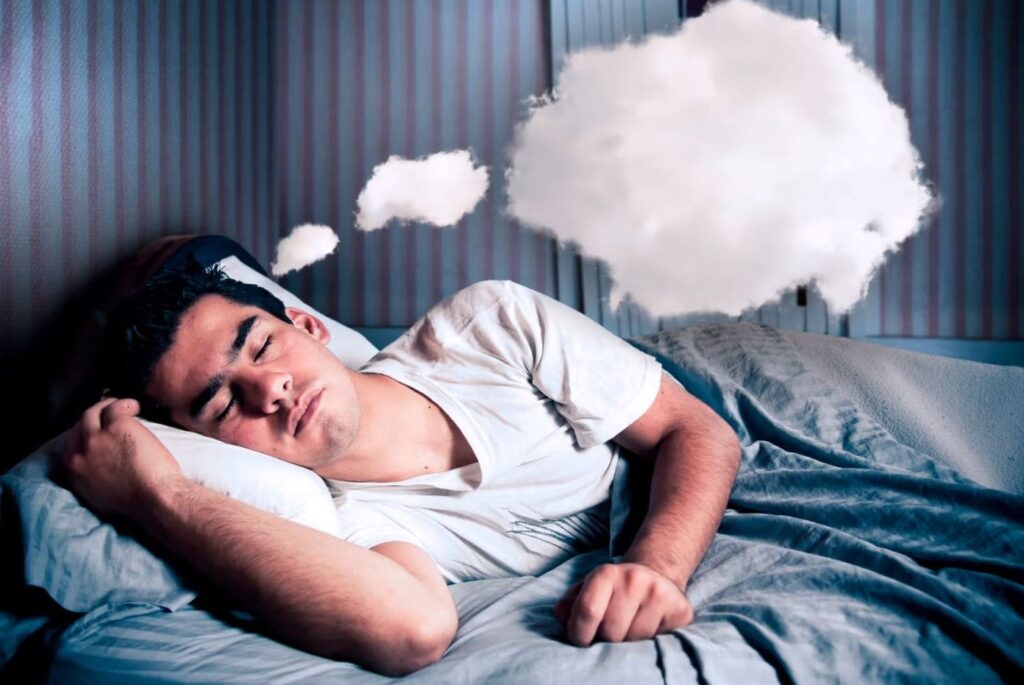
How REM Sleep Is Affected
REM (Rapid Eye Movement) sleep is the stage where most dreaming occurs. During fever or illness, REM cycles become unstable. This leads to shorter, more intense dream bursts rather than long, structured dream narratives.
Because of this instability, dream content becomes more fragmented and emotionally charged. The brain attempts to process incomplete signals, which results in unusual dream experiences.
Why Memory and Emotion Mix Together
During disrupted sleep, the brain struggles to separate recent memories from imagination. This blending creates dream environments that feel both real and imaginary at the same time.
This combination of memory distortion and emotional amplification is a key reason why these dreams feel so vivid and memorable.
Psychological Perspective on Fever Dreams
The Mind Under Physical Stress
When the body is sick, the mind also experiences stress. This psychological pressure influences dream formation. Emotions that are normally controlled during waking life may become exaggerated during sleep.
This helps explain what is a fever dream as a mind-body response to physical illness combined with emotional processing.
The brain essentially uses dreaming as a way to process both physical discomfort and emotional imbalance at the same time.
Dream Intensity and Emotional Processing
Emotions such as fear, confusion, or urgency may appear more strongly during these dreams. This is not necessarily linked to real-life events but rather to how the brain organizes stress signals during illness.
The intensity of these emotions makes fever-related dreams feel memorable even after recovery.
Frequently Asked Questions
Are fever dreams harmful?
No, they are temporary and usually stop once the body recovers from illness.
Why do they feel so realistic?
Because the brain is partially active during REM sleep and processes sensory signals more intensely during fever.
Can healthy people experience similar dreams?
Yes, extreme stress, lack of sleep, or anxiety can sometimes create similar vivid dream states.
Do children experience them more often?
Yes, children may experience them more frequently due to stronger reactions to fever and sleep disruption.
How long do they last?
They typically last only during the period of illness or elevated body temperature.
Conclusion: Understanding the Full Experience
Fever-related dreaming is a fascinating example of how closely the body and mind are connected. When the body becomes ill, sleep patterns change, brain activity becomes unstable, and emotions intensify. This combination creates dream experiences that feel vivid, confusing, and emotionally powerful.
Ultimately, what is a fever dream represents a temporary state where physical illness directly influences the way the brain constructs dream reality. Although these experiences can feel unsettling, they are harmless and usually fade once health is restored.
Understanding this phenomenon helps us appreciate how sleep reflects overall well-being. Maintaining good hydration, rest, and health can reduce the intensity of such dream states and improve overall sleep quality.
Read More:-