

Introduction
Have you ever woken up in a cold sweat after dreaming that your teeth were crumbling, falling out one by one, or suddenly vanishing from your mouth? You’re far from alone. Dreams about losing teeth rank among the most frequent and unsettling experiences people report worldwide. This vivid nightmare often leaves a lingering sense of vulnerability, shame, or panic long after waking.
Teeth play a powerful role in daily life—they help us eat, speak, smile, and present ourselves to the world. In dreams, they carry deep symbolic weight, often reflecting our deepest worries about control, appearance, communication, and change. While interpretations vary across psychology, spirituality, and culture, these dreams rarely predict literal dental disasters. Instead, they serve as a mirror to our waking emotional landscape.
This article dives into every aspect of losing teeth dream meaning, offering practical insights, common scenarios, and ways to reflect on what your mind might be processing.
Why Do We Dream About Losing Teeth So Often?
This dream theme appears across ages, genders, and backgrounds. Surveys show that a significant portion of people experience it at least once, with many reporting recurring episodes during stressful periods.
Several factors contribute to its frequency:
- Physical Sensations During Sleep: Tension in the jaw, teeth grinding (bruxism), or minor dental discomfort can translate into dramatic dream imagery. The brain weaves real bodily feelings into vivid stories.
- Universal Symbolism: Teeth represent strength, confidence, and survival. Losing them feels irreversible and public, tapping into primal fears.
- Life Transitions: These dreams often spike during times of uncertainty, such as job changes, relationship shifts, or aging milestones.
Far from random, the dream highlights areas where you might feel powerless or exposed.
Psychological Interpretations of Losing Teeth Dreams

Psychology offers some of the most grounded explanations for this dream. It frequently connects to emotional states rather than literal events.
- Anxiety and Stress: The sensation of teeth falling out mirrors feelings of losing control in daily life. Work pressure, financial worries, or overwhelming responsibilities often trigger it.
- Fear of Aging or Appearance Concerns: Teeth symbolize youth and attractiveness. The dream may surface worries about physical changes, wrinkles, or how others perceive you.
- Personal Loss or Grief: It can represent the end of a relationship, job loss, or the death of a loved one. The irreversible nature of tooth loss echoes the finality of real-life goodbyes.
- Communication Issues: Teeth enable clear speech. Dreaming of their loss may point to unspoken words, fear of being misunderstood, or difficulty expressing yourself in important situations.
- Self-Esteem and Insecurity: Feeling exposed without teeth highlights impostor syndrome, low confidence, or concerns about social standing.
Freudian views once linked it to repressed desires or castration anxiety, but modern perspectives emphasize broader emotional processing. Jungian analysis sees it as a sign of transformation—shedding old identities to make room for growth.
Common Triggers:
- High-stress periods
- Major life changes
- Unresolved childhood dental experiences
- Feelings of powerlessness in relationships or career
Spiritual and Cultural Perspectives
Beyond psychology, many traditions assign deeper symbolic meanings to teeth in dreams.
In various spiritual contexts, teeth represent vitality, power, and life force. Losing them signals a need for renewal or a warning to restore balance.
Key Cultural Interpretations:
- Islamic Tradition: According to scholars like Ibn Sirin, upper teeth relate to male relatives on the father’s side, while lower teeth connect to female relatives on the mother’s side. A tooth falling into the hand may bring good news or longevity, while one lost on the ground signals deeper concerns. Painless loss can indicate smooth transitions or debt relief.
- Chinese Folklore: Often viewed as inauspicious, linked to family troubles, lies told, or loss of credibility.
- Biblical and Western Folklore: Can symbolize brokenness, loss of wisdom, or spiritual vulnerability. Some see it as a call to strengthen faith or moral foundation.
- Indigenous and Folk Traditions: Teeth falling out sometimes marks rites of passage, maturity, or the release of outdated beliefs.
Spiritually, the dream encourages letting go of what no longer serves you—old habits, toxic relationships, or limiting self-views—to embrace personal evolution.
Common Dream Variations and Their Meanings
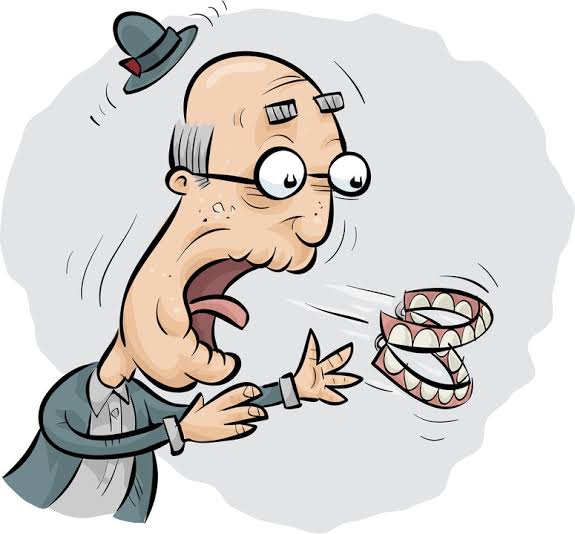
Details in the dream add nuance. Here are frequent scenarios:
- Teeth Falling Out One by One: Suggests gradual loss of control or mounting small stressors that build into bigger issues. Pay attention to chain reactions in your life.
- All Teeth Falling Out at Once: Indicates overwhelming anxiety or a perceived catastrophe. It may urge you to regain center and address urgent matters.
- Teeth Crumbling or Rotting: Points to feelings that things are disintegrating—perhaps a relationship, project, or self-image falling apart.
- Pulling Out Your Own Tooth: Can symbolize active release or closure. You might be ready to let go of something burdensome.
- Losing Teeth Painlessly: Often a gentler message about natural change or positive transitions, like entering a new life phase.
- Teeth Falling Out in Public: Heightens embarrassment themes, reflecting fears of social judgment or exposure.
- New Teeth Growing Back: A hopeful sign of renewal, resilience, and rebirth after loss.
- At the Dentist: May indicate available help or support during difficult times.
Bullet Points for Reflection:
- Note emotions during the dream (fear, relief, shame).
- Identify recent life events involving change or pressure.
- Consider which teeth (front for visibility, molars for foundational strength).
- Track patterns—do they occur before deadlines or conflicts?
Scientific Views on Teeth Dreams
Research provides balanced insights. One study found a stronger link to physical dental irritation upon waking than to psychological distress alone. Jaw tension or grinding during sleep often manifests as these vivid images.
However, stress still plays a role. People under pressure report more intense or frequent bad dreams. Dreams help process emotions, turning abstract worries into concrete symbols like falling teeth.
Importantly, these dreams do not predict death or literal tooth loss. They reflect the brain’s way of sorting daily experiences and sensations.
What Should You Do When You Have This Dream?
- Journal Immediately: Write down details, feelings, and current life context.
- Address Physical Factors: Check for teeth grinding—consider a mouthguard or stress-reduction techniques like meditation.
- Reflect on Waking Life: Ask honest questions: Where do I feel out of control? What am I afraid of losing? What needs release?
- Build Confidence: Focus on self-care, open communication, and small wins to counter insecurity.
- Seek Support: Talk to friends, a therapist, or dream journal communities if dreams disrupt sleep or cause ongoing anxiety.
- Promote Better Sleep: Maintain consistent routines, reduce screen time, and manage daily stress.
These steps turn a disturbing dream into a valuable tool for self-awareness.
Conclusion
Dreams of losing teeth, though uncomfortable, carry rich messages about your inner world. They highlight anxieties, signal times of transformation, and encourage attention to physical and emotional well-being. Whether viewed through psychology as stress processing, spirituality as renewal, or culture as symbolic warnings, the core invitation remains the same: examine what feels unstable in your life and take gentle steps toward balance and growth.
Next time your teeth tumble in a dream, pause before panic sets in. Your subconscious may simply be urging you to speak up, let go, or care for yourself more deeply. By understanding these patterns, you gain insight that empowers waking life.