

Introduction
Wet dreams, often called nocturnal emissions or nightfall, are a common and completely natural experience that many people encounter at some point in their lives. If you’ve ever woken up to a sticky surprise in your underwear or sheets after a vivid dream, you’re far from alone. This phenomenon sparks curiosity, confusion, and sometimes unnecessary worry, especially among teenagers navigating puberty.
In simple terms, a wet dream happens when someone experiences an orgasm and ejaculation (in males) or intense sexual arousal leading to orgasm (in females) while asleep. It usually ties to dreams, but not always erotic ones. These events are involuntary, meaning you have no control over them, and they represent a healthy part of sexual development rather than any problem.
This article dives deep into the meaning of wet dreams, their causes, who experiences them, common myths, and helpful insights. By the end, you’ll feel more informed and reassured about this ordinary aspect of human biology.
What Exactly Is a Wet Dream?
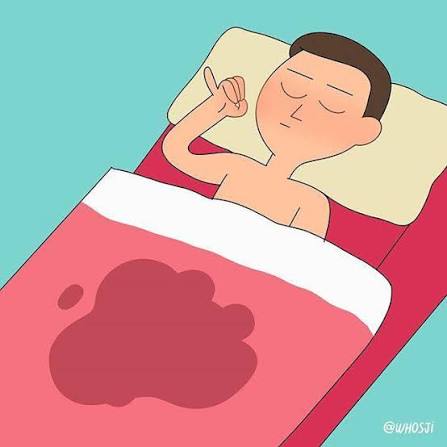
A wet dream, medically known as a nocturnal emission, occurs during sleep when the body releases sexual fluids involuntarily. For people with penises, this typically involves ejaculation of semen, leaving a noticeable wet spot. For those with vulvas, it involves orgasm with vaginal lubrication or contractions, though it’s often less obvious and may not involve visible fluid.
These episodes most often happen during the rapid eye movement (REM) stage of sleep, when dreaming is most vivid. The body might respond to physical sensations like friction from bedding or internal hormonal signals. Importantly, you don’t always remember the dream afterward—up to 40% of cases involve no recalled erotic content or any dream at all.
Wet dreams are a sign that the reproductive system is functioning normally. They help release built-up seminal fluid in males and reflect natural sexual arousal responses in everyone.
Causes of Wet Dreams

The exact reasons behind wet dreams aren’t fully pinned down, but several factors play key roles:
- Hormonal Changes: Puberty brings a surge in testosterone and other sex hormones, ramping up sexual awareness and physical responses. This makes wet dreams more likely as the body adjusts.
- Sexual Dreams or Thoughts: Erotic dreams can trigger arousal, but they’re not required. Physical stimulation from sheets, clothing, or sleeping positions often contributes.
- Abstinence Periods: Longer gaps without ejaculation (through sex or masturbation) can lead to natural release during sleep. The body produces sperm continuously, and wet dreams provide one outlet.
- Sleep-Related Erections: Men often experience erections during REM sleep (sometimes called “morning wood” if upon waking). These can occasionally progress to ejaculation.
- Other Influences: Stress, anxiety, diet, exercise levels, and even watching stimulating content before bed may indirectly affect frequency, though evidence varies.
Research shows wet dreams can occur independently of conscious sexual activity, confirming they’re a built-in physiological process.
Who Experiences Wet Dreams?

Males: Wet dreams are most associated with boys and men. Studies indicate 70-90% of males experience them at least once, with many starting around ages 12-15. Prevalence is high during adolescence.
Females: Yes, women and girls can have them too. Around 37-42% report nocturnal orgasms. These feel like intense pleasure or arousal during sleep, often with increased lubrication, but without the same visible “wetness” as in males.
Age Factors: They peak during puberty due to hormonal shifts and decrease with age as sexual activity becomes more regular. However, adults of any age can experience them occasionally. Frequency tends to drop in married or sexually active individuals, but not entirely.
Cultural differences exist—some regions report lower rates possibly due to reporting biases or lifestyle factors—but they’re nearly universal across populations.
How Common Are Wet Dreams and What’s Normal?
There’s no single “normal” number. Some people have them a few times a month, especially in teens, while others experience them rarely or never. Frequency often ranges from once every few weeks to a few times a year.
- In teens: More frequent due to new hormonal activity.
- In adults: Less common but still possible, especially during stress or abstinence.
- Lifetime stats: About 66% of men and 42% of women report at least one.
Not having wet dreams is also perfectly normal. Everyone’s body works differently based on hormones, lifestyle, and genetics.
Common Myths vs. Facts About Wet Dreams
Many misconceptions cause unnecessary shame or anxiety. Here’s a clear breakdown:
- Myth: Wet dreams mean you’re sexually frustrated or not getting enough action. Fact: They occur regardless of sex life satisfaction. They’re not a sign of dissatisfaction.
- Myth: They reduce sperm count, immunity, or cause weakness. Fact: The body quickly replenishes sperm (hundreds of millions daily). No evidence links them to lowered immunity, fatigue, or health issues. They’re a sign of healthy function.
- Myth: Only teenagers get them. Fact: Common in puberty but possible at any age post-puberty.
- Myth: You can completely prevent them. Fact: They’re involuntary. Regular sexual activity or masturbation may reduce frequency for some, but not eliminate them.
- Myth: They shrink the penis or affect fertility. Fact: No scientific basis. They have no negative impact on fertility or sexual health.
- Myth: They only happen with erotic dreams. Fact: Many occur without sexual dream content or any memory of dreaming.
These myths persist across cultures, sometimes tied to traditional beliefs, but modern understanding confirms wet dreams as harmless and natural.
The Psychological and Emotional Side
First-time experiences can surprise or embarrass young people, especially without prior education. Talking to a trusted adult or doctor helps normalize the experience. Wet dreams are part of healthy sexual maturation and don’t indicate any moral failing or problem.
For some, frequent occurrences might disrupt sleep or cause anxiety. Stress management techniques like relaxation exercises, consistent sleep schedules, and avoiding heavy meals or screens before bed can promote better rest overall.
Practical Tips for Handling Wet Dreams
- Clean Up Easily: Keep spare underwear or a towel nearby. Wash bedding regularly with normal detergent.
- Sleep Hygiene: Maintain a cool, comfortable bedroom. Sleep on your back or side to minimize friction.
- Lifestyle Habits: Regular exercise, balanced diet, and stress reduction support overall well-being, which may indirectly influence frequency.
- Open Communication: Parents should educate kids about puberty changes to reduce confusion.
- When Frequency Changes: A sudden increase in adulthood might relate to hormones or lifestyle—consult a doctor if accompanied by pain, blood, or other concerns.
Can You Prevent or Reduce Wet Dreams?
Complete prevention isn’t realistic since they’re involuntary. However, some strategies may help lower occurrence for those bothered by them:
- Engage in regular sexual activity or masturbation, as it provides outlets for built-up tension.
- Avoid stimulating content right before sleep.
- Practice good sleep routines and manage stress.
- Stay physically active during the day.
Remember, reducing them isn’t necessary for health—your body handles things naturally.
When Should You See a Doctor?
Wet dreams are rarely a medical issue. Seek advice if:
- They happen extremely frequently (e.g., multiple times weekly for months) and cause distress.
- There’s pain, blood in semen, burning, or daytime leakage.
- They’re accompanied by other symptoms like fatigue, erectile issues, or hormonal imbalances.
- You’re concerned about underlying conditions.
In most cases, reassurance from a healthcare professional is all that’s needed.
Conclusion
Wet dreams are a normal, healthy part of human sexuality that reflect your body’s natural processes. Whether they start in puberty or appear occasionally later in life, they carry no shame and indicate nothing wrong. Understanding their meaning—rooted in hormones, sleep, and biology—helps remove stigma and promotes body positivity.
Embrace this as one of many normal experiences during growth and adulthood. Focus on overall health through good habits, open conversations, and self-acceptance. If questions linger, reliable medical sources or professionals offer supportive guidance.
By demystifying wet dreams, we foster healthier attitudes toward sexuality for everyone. Your body is doing exactly what it’s supposed to—there’s no need to worry.