
Introduction
Sleep is one of the most ordinary yet most mysterious parts of human life. Every night, as the body rests and the mind drifts into unconsciousness, something extraordinary begins to happen inside the brain. Stories unfold, emotions rise and fall, people appear from memory or imagination, and entire worlds form without any physical reality.
These experiences are called dreams, and they have puzzled humans for centuries. Even today, science is still trying to fully explain them. Philosophers, psychologists, and neuroscientists have all attempted to understand what happens in the mind during sleep. Yet, despite all the research, one question continues to stand out: why do we dream.
The answer is not simple. It involves brain chemistry, memory processing, emotional regulation, and even evolutionary survival patterns. Dreams are not random nonsense, nor are they fully understood messages. Instead, they appear to be a complex combination of mental processes working together while we sleep.
To understand dreaming, we must first understand how the sleeping brain behaves differently from the waking brain.
Sleep and Brain Activity: The Hidden Night System

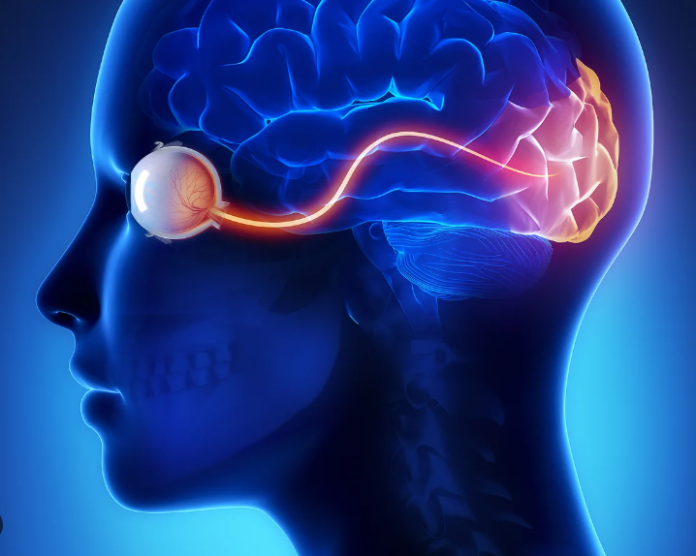
The human brain does not shut down during sleep. Instead, it shifts into different operational modes. During these stages, brain waves change, neural connections reorganize, and chemical signals shift dramatically.
Sleep is divided into cycles, mainly Non-REM and REM sleep. Non-REM sleep focuses on physical restoration, while REM sleep is strongly associated with vivid mental activity and dreaming.
During REM sleep, the brain becomes highly active, almost like it is awake. However, the body remains still due to temporary muscle paralysis. This creates a unique condition where the mind can experience vivid scenarios without physical movement.
It is in this phase that the question why do we dream becomes most relevant to scientists. The brain is active, the mind is generating stories, and emotions are fully engaged, yet the purpose remains partly unclear.
Some researchers believe this stage helps the brain process emotional experiences from the day. Others think it is a side effect of neural activity that does not serve a direct purpose but still influences mental health.
Understanding REM Sleep and Dream Formation
REM sleep is often considered the “dream stage” of sleep. It is during this period that most vivid, emotional, and story-like dreams occur.
In REM sleep, the brain behaves in unusual ways. The amygdala, which processes emotions, becomes highly active. At the same time, the prefrontal cortex, responsible for logic and decision-making, becomes less active. This imbalance explains why dreams often feel emotional but illogical.
In this stage, people can fly, travel through impossible worlds, or meet individuals who no longer exist. These experiences feel real in the moment but are often forgotten shortly after waking.
When researchers study sleep cycles, they often return to the question why do we dream because REM sleep seems intentionally designed for mental simulation. It is as if the brain is rehearsing or reorganizing experiences in symbolic ways.
Although no single explanation fully answers it, REM sleep clearly plays a central role in dreaming.
Psychological Perspectives on Dreaming
Psychologists have long tried to understand dreams through human behavior and mental processes. One of the earliest theories came from Sigmund Freud, who believed dreams represent hidden desires and unconscious thoughts.
Modern psychology takes a broader approach. Instead of focusing only on hidden desires, researchers now believe dreams may reflect daily experiences, emotional stress, and cognitive processing.
From this perspective, dreams are not random but are influenced by memory fragments and emotional patterns stored in the brain.
This leads to another important interpretation of why do we dream: dreams may serve as a way for the brain to simulate experiences, test emotional responses, and process unresolved thoughts.
Some cognitive theories suggest that dreaming is simply a continuation of thinking during sleep, where the brain continues to process information without external input.
Memory, Emotion, and Night Processing
One of the strongest scientific explanations for dreaming is its connection to memory and emotion.
During the day, the brain collects vast amounts of information. Not all of it is important. At night, the brain begins sorting through these experiences, deciding what to store and what to discard.
Dreams may be a byproduct of this process. As memories are reorganized, emotional fragments appear in symbolic or abstract forms.
For example, a stressful conversation from the day might appear in a dream as a completely different scenario, yet the emotional tone remains the same.
This process is one of the most widely accepted explanations for why do we dream, because it connects dreaming directly to brain function.
Emotions also play a key role. The brain uses sleep to reduce emotional intensity from stressful events, helping individuals maintain psychological balance.
Evolutionary Ideas Behind Dreaming
From an evolutionary standpoint, dreaming may have served a survival function.
Some scientists suggest that dreaming allowed early humans to rehearse dangerous situations in a safe mental environment. This could include escaping predators, solving conflicts, or practicing survival strategies.
This idea is known as the “threat simulation theory,” which suggests that dreams helped improve survival instincts over time.
Although this theory is still debated, it provides an interesting answer to why do we dream by linking dreaming to human evolution and survival behavior.
Even today, many dreams involve chase scenarios, danger, or problem-solving situations, which may reflect ancient survival patterns stored in the brain.
Dream Patterns and Sleep Cycles Comparison Table
Below is a simple comparison of sleep stages and their connection to dreaming activity:
| Sleep Stage | Brain Activity Level | Dream Experience | Main Function |
|---|---|---|---|
| Light Sleep (N1) | Low | Fragmented images | Transition to sleep |
| Light Sleep (N2) | Moderate | Rare dream flashes | Memory preparation |
| Deep Sleep (N3) | Very low | Minimal dreaming | Physical recovery |
| REM Sleep | High | Vivid, emotional dreams | Memory & emotional processing |
This table shows that the most intense dreaming occurs during REM sleep, where brain activity is at its peak.
Dreams and Creativity in the Human Mind
Dreams have often been linked to creativity. Many artists, writers, and scientists have reported receiving inspiration from dreams.
This happens because the dreaming brain connects ideas in unusual ways. Without logical constraints, the mind can combine unrelated memories, leading to creative insights.
This is another important angle in understanding why do we dream. Dreams may act as a mental playground where the brain experiments with ideas freely.
Some famous discoveries and artworks have reportedly originated from dream experiences, showing how powerful the dreaming mind can be in creative thinking.
Nightmares, Stress, and Mental Health Connections
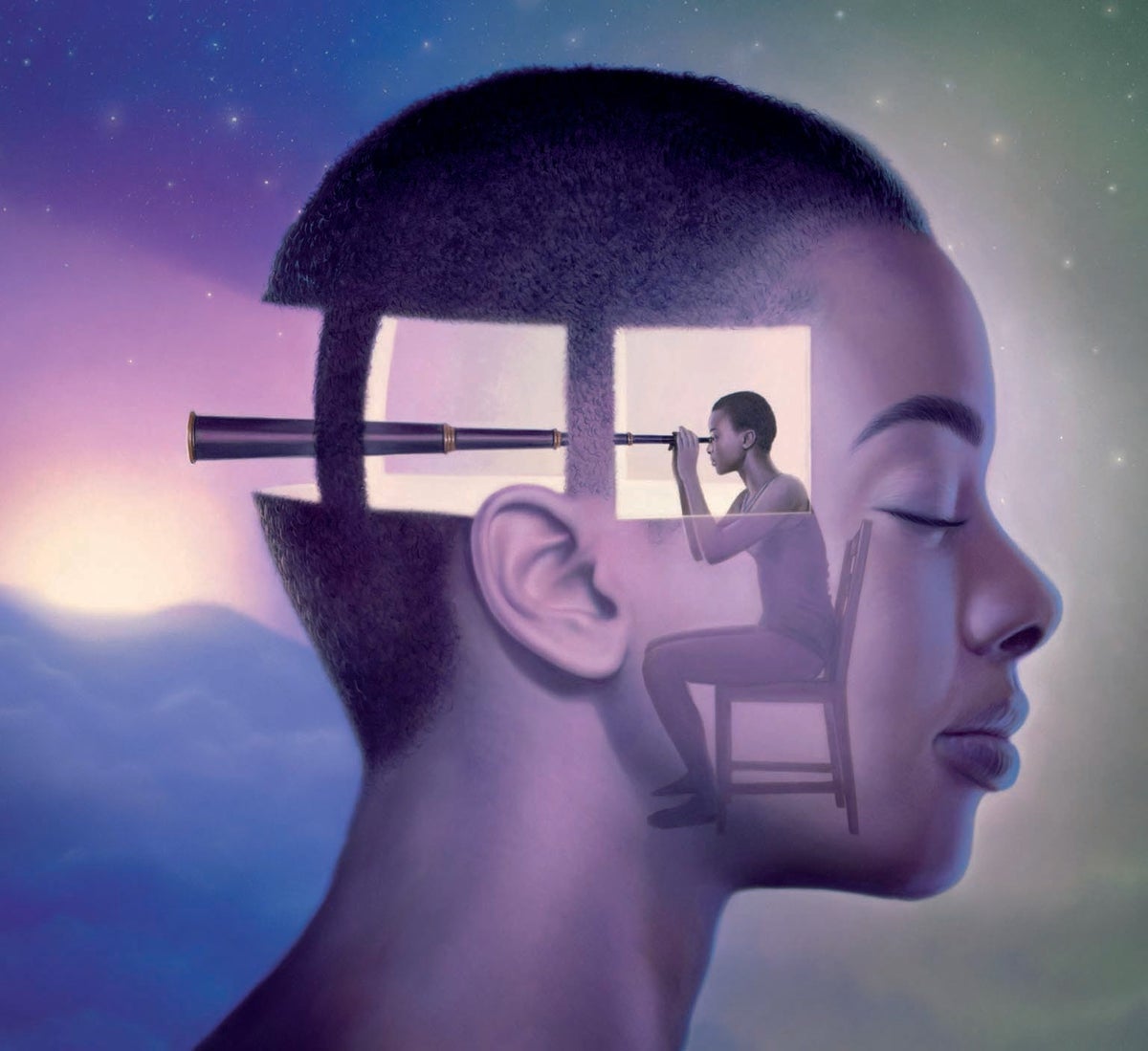
Dreams are not always pleasant. Nightmares are a common experience, especially during periods of stress, anxiety, or trauma.
When the mind is under emotional pressure, dreams often reflect that tension. This is because the brain uses sleep to process unresolved emotions.
Nightmares may feel disturbing, but they can also serve a psychological function by helping the mind confront fears in symbolic ways.
This emotional connection is another reason scientists explore why do we dream, especially in relation to mental health and emotional regulation.
Sleep quality is strongly linked to emotional stability, and disrupted dreaming patterns can sometimes indicate underlying stress.
Cultural Interpretations of Dreams
Different cultures around the world have interpreted dreams in unique ways. Some see dreams as spiritual messages, while others view them as psychological reflections.
Ancient civilizations often believed dreams were communication from divine forces. In contrast, modern science interprets them through biological and psychological frameworks.
Despite differences in belief systems, dreams have always been considered meaningful experiences worth studying and interpreting.
Lucid Dreaming and Conscious Awareness
Lucid dreaming is a fascinating phenomenon where a person becomes aware that they are dreaming while still asleep.
In some cases, individuals can even control the dream environment, characters, and events. This creates a unique blend of consciousness and sleep.
Lucid dreaming is often used in psychological research to better understand self-awareness and brain control systems.
This experience also contributes to the study of why do we dream, because it shows that awareness and dreaming can overlap in complex ways.
Frequently Asked Questions
What causes dreams during sleep?
Dreams are caused by brain activity during REM sleep, where memory, emotion, and imagination interact.
Do dreams mean something?
Dreams may reflect emotions or memories, but they are not always symbolic or predictive.
Why do we forget dreams quickly?
Dreams are often forgotten because memory systems are less active during sleep.
Can dreams affect mental health?
Yes, dreams can reflect emotional stress and may influence mood and psychological well-being.
Do all people dream?
Yes, almost everyone dreams, even if they do not remember them.
Dreaming remains one of the most fascinating mysteries of human life. Despite decades of research, the
Conclusion
re is still no single complete explanation for it. However, science has made significant progress in understanding how dreams are formed and what role they may play in brain function.
Dreams are closely linked to memory processing, emotional regulation, creativity, and possibly even evolutionary survival mechanisms. They are not meaningless random events, but rather complex mental experiences shaped by the sleeping brain.
At the center of all research and curiosity remains the question why do we dream, and while we may not have a final answer, we now understand that dreaming is deeply connected to how the mind organizes, heals, and processes life itself.
As science continues to advance, we may one day fully decode the language of dreams. Until then, they remain one of the most beautiful and mysterious parts of human consciousness.
Read More:-