
Introduction
Dogs have a way of capturing our hearts with their loyalty, playfulness, and expressive personalities. Yet one of the most intriguing aspects of their lives happens when they are completely still—fast asleep. Many dog owners have paused to watch their pet twitch, wag its tail, or softly bark in sleep and wondered: what do dogs dream about?
This question blends curiosity with science, emotion, and a desire to understand our pets more deeply. While dogs cannot describe their dreams to us, modern research has revealed remarkable insights into how their brains function during sleep. These discoveries help us form a clearer picture of what might be happening in their minds when their eyes close.
In this comprehensive guide, we will explore the science of canine sleep, the behaviors associated with dreaming, and the deeper meaning behind those mysterious nighttime movements. By the end, you will have a richer understanding of your dog’s inner world and how to support their overall well-being.
Understanding the Nature of Dog Sleep

Sleep is essential for all living beings, and dogs are no exception. In fact, dogs spend a significant portion of their lives asleep, often more than humans do. On average, adult dogs sleep between 12 to 14 hours a day, while puppies and senior dogs may sleep even longer.
Unlike humans, who typically follow a single long sleep cycle each night, dogs have what is known as a polyphasic sleep pattern. This means they sleep in multiple shorter periods throughout the day and night. These frequent naps allow their brains to cycle through different stages of sleep more often.
During sleep, dogs move through stages similar to those experienced by humans. These include light sleep, deep sleep, and the rapid eye movement (REM) stage. The REM stage is particularly important because it is strongly associated with dreaming. When dogs enter REM sleep, their brains become highly active, even though their bodies remain mostly still.
This is the stage where the question what do dogs dream about becomes especially relevant, as this is when dreams are most likely to occur.
The Science Behind Dog Dreams
Scientific research has provided compelling evidence that dogs do indeed dream. Studies involving brain activity have shown that dogs exhibit patterns similar to humans during REM sleep. This suggests that their brains are processing information, forming memories, and possibly replaying experiences.
One key area of the brain involved in dreaming is the pons, which helps regulate sleep cycles and prevents the body from physically acting out dreams. In dogs, this mechanism is not always as strong as it is in humans, which is why we often see physical movements during their dreams.
These movements—such as twitching legs or wagging tails—are not random. They are likely connected to the content of the dream itself. For example, a dog that appears to be running in its sleep may actually be dreaming about chasing something.
When scientists examine these behaviors alongside brain activity, it becomes increasingly clear that the answer to what do dogs dream about lies in their daily experiences and emotional lives.
What Do Dogs Dream About in Everyday Life
While we cannot see images inside a dog’s mind, we can make educated guesses based on their behavior and neurological patterns. Most experts agree that dogs dream about things they experience while awake.
A dog’s day is filled with activities that are meaningful to them—playing, eating, interacting with humans, exploring their environment, and responding to various stimuli. These experiences are stored in their memory and may later be processed during sleep.
When considering what do dogs dream about, it is helpful to imagine their dreams as reflections of their daily routines. A dog that spends a lot of time playing fetch may dream about running after a ball. A dog that enjoys social interaction may dream about being with its owner or other animals.
These dreams are not just random images; they are part of the brain’s way of organizing and understanding experiences. Just like humans, dogs use sleep as a time to process emotions and reinforce learning.
Why Dogs Move and Make Sounds While Sleeping
One of the most noticeable signs that a dog might be dreaming is physical movement during sleep. These movements can range from subtle twitches to more pronounced actions like kicking or vocalizing.
This behavior occurs because the brain is sending signals to the body during REM sleep. Although the body is partially paralyzed to prevent full movement, some signals still get through. This results in the small, involuntary actions we observe.
Dogs may also make sounds such as whining, barking, or growling. These vocalizations are likely connected to the emotional content of their dreams. A happy dream might result in gentle tail wagging, while a more intense dream could lead to louder noises.
Understanding these behaviors can provide valuable clues when exploring what do dogs dream about, as they offer a glimpse into the emotions and scenarios playing out in the dog’s mind.
Differences Between Puppies and Adult Dogs
Not all dogs dream in the same way. Age plays a significant role in how often and how vividly dogs dream. Puppies, in particular, tend to dream more frequently than adult dogs.
This is largely due to their rapid brain development. Puppies are constantly learning about the world around them, forming new memories, and developing social and behavioral skills. As a result, their brains require more time to process this information.
During sleep, puppies spend a greater proportion of time in the REM stage. This increased REM activity suggests that they are dreaming more often. Their dreams may involve learning experiences, interactions with their environment, and early social bonding moments.
When thinking about what do dogs dream about, it is important to consider how a dog’s stage of life influences its dream patterns and content.
Can Dogs Experience Nightmares
Just as humans can have unpleasant dreams, dogs may also experience nightmares. These are dreams that involve fear, stress, or negative experiences.
Signs of a nightmare can include intense twitching, whining, growling, or sudden waking. A dog may appear distressed or confused upon waking, indicating that the dream was not a pleasant one.
Nightmares may be more common in dogs that have experienced trauma, anxiety, or significant changes in their environment. Rescue dogs, for example, may have more frequent or intense dreams related to past experiences.
When asking what do dogs dream about, it is important to acknowledge that not all dreams are positive. Emotional experiences, both good and bad, can influence what happens during sleep.
Table: Key Differences in Dog Sleep Patterns
| Aspect | Puppies | Adult Dogs | Senior Dogs |
|---|---|---|---|
| Sleep Duration | 18–20 hours/day | 12–14 hours/day | 14–18 hours/day |
| REM Sleep Frequency | Very High | Moderate | Moderate to High |
| Dream Activity | Frequent and vivid | Regular | Can vary |
| Movement in Sleep | More noticeable | Moderate | Sometimes reduced |
| Sensitivity to Dreams | High | Moderate | Can increase with age |
This comparison highlights how sleep and dreaming can vary across different life stages.
How Breed and Personality Influence Dreams
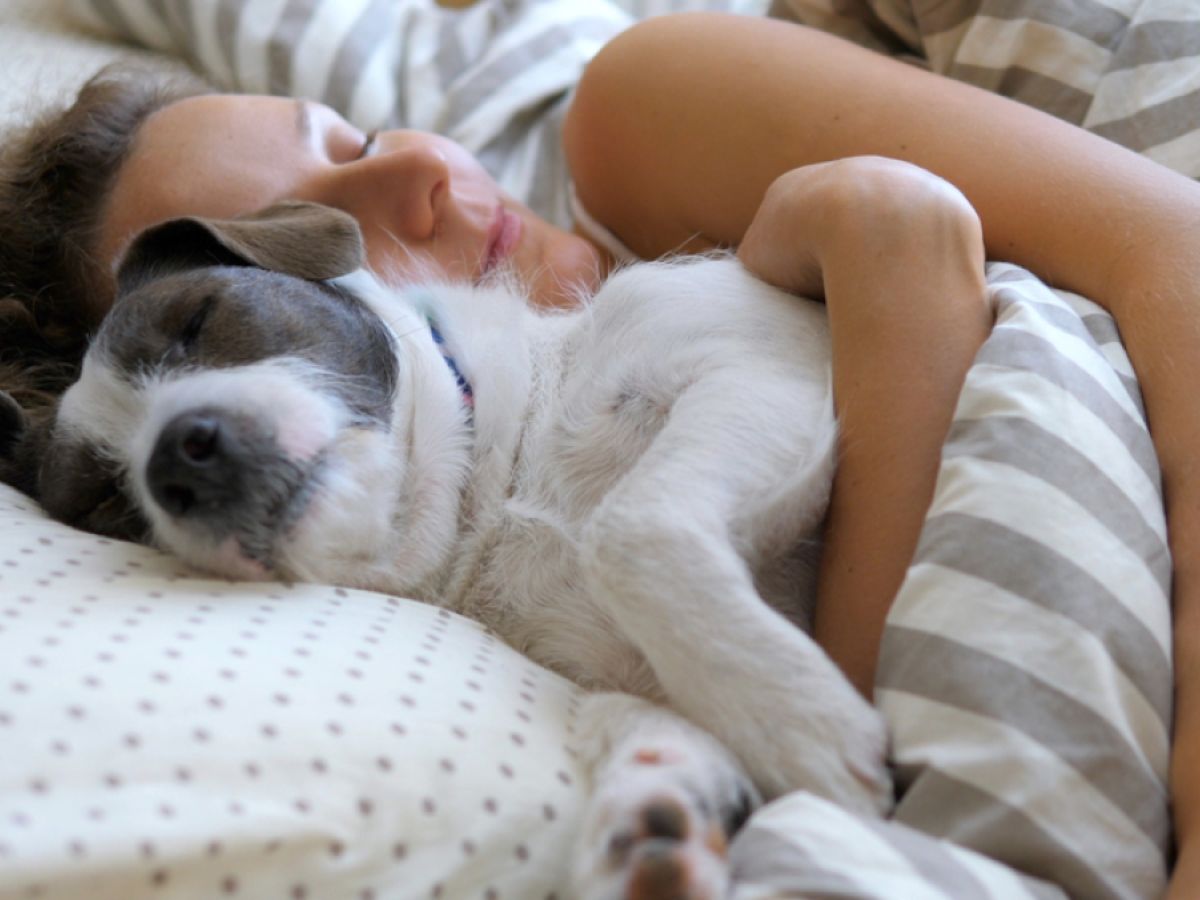
Every dog is unique, and their dreams may reflect their individual personality and breed characteristics. Certain breeds are known for specific behaviors, and these traits may carry over into their dreams.
For example, a herding dog may dream about guiding animals, while a hunting breed might dream about tracking scents. Similarly, a highly social dog may dream about interactions with people or other animals.
Personality also plays a role. A confident and active dog may have energetic dreams, while a more reserved dog may have calmer dream patterns.
Understanding these differences adds another layer to the question of what do dogs dream about, showing that dreams are not one-size-fits-all but deeply personal to each animal.
The Emotional Side of Dog Dreams
Dreams are not just about actions—they are also about emotions. Dogs are capable of experiencing a range of emotions, including happiness, excitement, fear, and anxiety.
During sleep, the brain processes these emotions, which may influence the tone of the dream. A dog that has had a joyful day may have pleasant dreams, while a stressful experience may lead to more restless sleep.
This emotional processing is important for overall mental health. It helps dogs cope with their experiences and maintain a balanced state of mind.
When exploring what do dogs dream about, it becomes clear that their dreams are not just reflections of actions but also of feelings.
Should You Wake a Dreaming Dog
It can be tempting to wake a dog that appears to be having a bad dream, but this should be done with caution. Sudden waking can startle the dog and may lead to confusion or defensive behavior.
Instead of touching the dog, it is better to call its name softly or make a gentle noise to help it wake up gradually. In most cases, it is best to let the dog continue sleeping, as the dream will pass on its own.
Understanding how to respond appropriately is an important part of caring for your dog and respecting its natural sleep cycle.
Quick Insights About Dog Dreams
- Dogs experience REM sleep just like humans
- Dreaming is linked to memory and learning
- Puppies dream more due to brain development
- Movements during sleep are normal
- Dreams reflect daily experiences and emotions
Frequently Asked Questions (FAQs)
Do dogs dream every night?
Dogs dream multiple times during their sleep cycles, which occur throughout the day and night. Their frequent naps mean more opportunities for dreaming.
What do dogs dream about the most?
They likely dream about everyday activities such as playing, eating, and interacting with their owners.
Can dogs remember their dreams?
There is no clear evidence that dogs remember dreams after waking, but their brains do process memories during sleep.
Is it normal for dogs to cry in their sleep?
Yes, crying or whining can occur during dreams and is usually not a cause for concern unless it happens frequently.
Should I be worried if my dog moves a lot in sleep?
Not usually. Movement is a normal part of REM sleep, but excessive or violent movements may require attention.
Conclusion: A Window Into Your Dog’s Inner World
So, what do dogs dream about? While we may never know the exact details, science strongly suggests that their dreams are shaped by their daily lives, experiences, and emotions. From chasing a ball to enjoying time with their favorite human, their dreams are likely filled with familiar and meaningful moments.
Understanding your dog’s sleep behavior is more than just satisfying curiosity—it is a way to deepen your bond and ensure their well-being. By providing a safe, comfortable environment and paying attention to their needs, you can help your dog enjoy restful sleep and positive dream experiences.
- Create a calm and comfortable sleeping space
- Maintain a consistent daily routine
- Provide regular exercise and mental stimulation
- Observe sleep patterns for any unusual changes
Your dog’s dreams may remain a mystery, but they offer a beautiful glimpse into a mind that is full of life, memory, and emotion.
Read More:-